
MS Access As A Dev Tool
Access continues to be a highly efficient tool for business database development.
 Call (323) 285-0939
 If your database is crawling, popping up strange prompts, or freezing when two people try to work at the same time, we'll get you back to a stable, predictable setup. We repair broken forms and reports, fix corruption, and tune the parts that are actually slowing things down, not just the surface symptoms.
Around Santa Clarita, we see a lot of Access files doing the day-to-day work: scheduling, job tracking, service logs, and invoice reporting. It might be shared between Valencia, Newhall, and Canyon Country. Then one report starts taking "forever," and people end up exporting to Excel just to get through the afternoon. Half the time, it's a shared front end on a network drive - that alone can cause a mess. Call (323) 285-0939 for a free consultation and a clear next step.

Santa Clarita businesses and public organizations use Microsoft Access for scheduling, job tracking, service logs, purchasing, and reporting packs. If the file starts freezing or a report takes forever, the day slows down fast. We've seen Access files in Valencia and Canyon Country that started as a "quick" tracker and somehow ended up running half the operation.
MS Access Solutions helps you keep what already works and fix what is slowing you down. Most of the time it is not one big thing. It is a stack of small issues: a missing index, a query that got copied too many times, an import that lets duplicates sneak in, and a form that pulls far more rows than it needs. We tune queries, tighten joins, and clean up imports so the same tasks run the same way every time.
If the file is shared, we also check the split setup and locking rules so each person is not fighting the database. And if you are ready for better reliability, we can keep Access as the front end and move tables to SQL Server. If you are not sure whether that is overkill, we'll talk it through and give you a straight answer.
MS Access Solutions is led by Alison Balter, owner and principal programmer. She is a Microsoft Certified Partner and Microsoft Certified Professional, and she was one of the first professionals in the computer industry to become a Microsoft Certified Solutions Developer.
Alison is the author of 15 Microsoft Access training books and videos and has built and repaired hundreds of Access applications across many industries. In Santa Clarita, that experience matters because the fixes are rarely just "run Compact And Repair." It is usually a mix of query tuning, form/report cleanup, VBA refactoring, and safer deployment so multi-user work does not fall apart.
If you need help with an inherited database, we can document what you have, fix the break-prone spots, and give you a clear plan for the next phase - whether that is staying in Access or moving the back end to SQL Server.


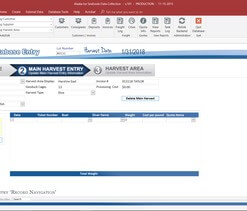





Access continues to be a highly efficient tool for business database development.
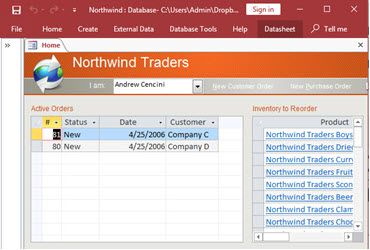
How to create a Microsoft Access application with some useful tips and best practices.
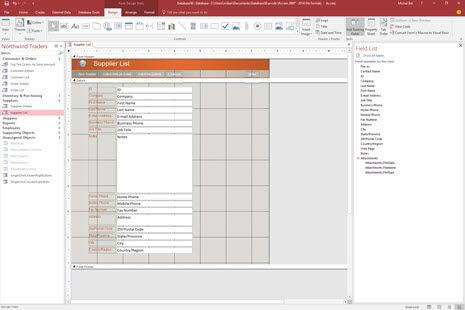
Your Access developer near you has practical advice on choosing and working with an Access consultant.
Call MS Access Solutions at (323) 285-0939 for a FREE consultation.
If you want the official Microsoft explanation, here is their troubleshooting checklist for the unexpected prompt: Why does Access want me to enter a parameter value?.
In Access, an "Enter Parameter Value" prompt is usually a clue that something the query expects is missing. It can be a renamed field, a form control that no longer exists, a broken join, or even a linked table that failed to connect. The annoying part is that the prompt often appears after a small change, like adding one column to a report.
These are the patterns we see most often when a file is handed around between offices or updated in a hurry:
We start by identifying which object is throwing the prompt. Then we open the query in design view, check the field list, and follow the trail. When the issue is tied to a form or report, we confirm the control names, record sources, and any VBA that sets filter strings. If the database is split, we also verify that each user has a local front end, because a shared front end can mask the real source of the problem.
Once the immediate error is fixed, we clean up the cause so it does not come back the next time someone adds a field. That can include standardizing naming, tightening query steps, and replacing brittle references with more reliable patterns. If you have a report that is used daily, we can add a quick validation check so you catch missing links before users do.
Sometimes the prompt is just the symptom. The underlying query can be slow because it is scanning a big table, joining on non-indexed fields, or pulling far more records than the report needs. In those cases, we tune the query, add indexes, and adjust the form so it loads a narrower data set first. Your staff gets the same output, but it runs faster and with fewer surprises.
If you're seeing parameter prompts, broken reports, or "could not find file" errors on linked tables, we can fix the root cause and leave you with a short, practical plan for keeping the database stable.
Answer: Most multi-user headaches come from everyone running the same front-end off a shared drive. We split the database (tables in a back end, and a local front end on each computer), then verify network paths and permissions so record locks behave. If OneDrive or Dropbox is involved, we flag it, because sync tools can hold file locks and quietly cause corruption.
Answer: Usually, yes. We start by mapping what the macro is doing, then replace it with straightforward VBA and test the screens and reports that depend on it. The user flow stays familiar, but the code becomes much easier to debug the next time something changes.
Answer: Report issues usually come from query changes, missing fonts, or controls that were placed for one printer driver and then copied to another machine. We rebuild the report record source, test on the printer you use, and clean up margins so PDFs and hard copies match.
Answer: First, stop opening it on every computer. Make a copy, confirm you have a recent backup, and do not keep trying random repairs. Then we can safely test Compact And Repair, import objects into a new file when needed, and confirm tables and relationships are intact.
Answer: Yes. Imports are where bad keys, duplicates, and inconsistent formats sneak in. A safer approach is a staging table plus validation rules before the data hits production tables.
For example, we can block blank IDs, normalize dates, and catch duplicate customer records before they create reporting headaches.
Answer: Think of a tune-up as a focused pass on the parts that slow people down. We review tables, relationships, and the queries behind your slow screens, then fix the top offenders first: confirm the split/front-end setup, adjust indexes, tune the worst queries, load-test key forms and reports with real data, and clean up VBA that keeps throwing the same errors.
Get more information about our programming services on the Microsoft Access programmer Santa Fe Springs web page.