
MS Access As A Dev Tool
Access continues to be a highly efficient tool for business database development.
 Call (323) 285-0939
 If your Access database is slow, throwing errors, or freezing when more than one person opens it, we can repair it fast. We track down the cause: indexes, joins, bloated tables, and VBA errors.
If the database has outgrown a single file, we can keep Access as the front end and move tables to SQL Server for better speed and multi-user stability. Call (323) 285-0939 for a free consultation.

San Fernando organizations use Access as the working system behind the scenes—tracking jobs, customers, inventory, inspections, and the reports that management expects on a deadline. When the database starts acting up, the impact is immediate: screens pause, totals don't match, and people start keeping “backup” spreadsheets just to get through the day.
MS Access Solutions helps you stabilize and improve the Access database you already have. We repair forms and reports that no longer behave, reduce multi-user conflicts, and clean up data that has grown inconsistent over time. If your file is doing too much for a single .accdb, we can upsize the tables to SQL Server while keeping Access as the front end your staff knows.
When the root cause isn't obvious, we start with a practical review. We look for queries that scan entire tables, missing indexes, brittle joins, and VBA code paths that run far more often than you think. Then we prioritize changes that reduce risk first—so you're not guessing what will break after the next Windows or Office update.
You'll get clear findings, straightforward options, and fixes that respect real budgets and real deadlines. The goal is simple: your database should feel dependable again, and routine reporting should not be a gamble.
The Best Microsoft Access Database Solutions owner, consultant, and principal programmer is Alison Balter – a recognized expert Microsoft Access consultant. Alison is the author of 15 Microsoft Access training books and videos. She is a frequent guest speaker at MS Access conferences and has developed hundreds of applications for businesses of all types.
We know your business data is important. We isten to your concerns, ask clarifying questions, and gather input from the people who use the system every day. Together we define what you need from your database, why certain features matter, and how staff actually works. From there we design the right table structure, queries, forms, dashboards, and reports so you get a stable system that supports real-world decision making.







Access continues to be a highly efficient tool for business database development.
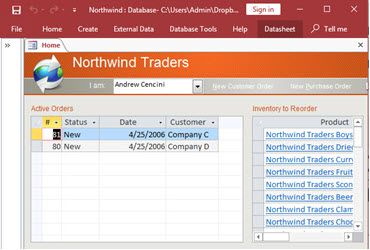
How to create a Microsoft Access application with some useful tips and best practices.
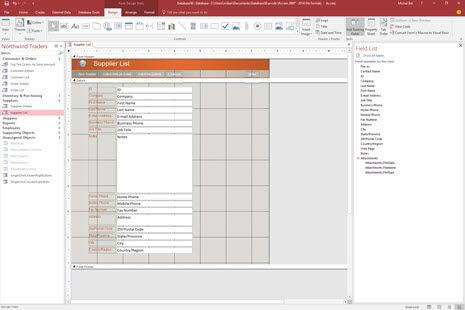
Your Access developer near you has practical advice on choosing and working with an Access consultant.
Call MS Access Solutions at (323) 285-0939 for your free consultation.
When someone says an Access database is slow, they usually mean it is interrupting work. A report that used to finish in seconds now times out. A form pauses after a button click. Users start clicking twice, and duplicate records show up.
We start by measuring where the time goes, then fix the highest-impact items first. In San Fernando and across the San Fernando Valley, this often means rewriting a handful of queries, adding the right indexes, and cleaning up VBA event code so forms stop doing extra work in the background.
If the file has outgrown a single Access back end, we can keep Access as the front end and move the tables to SQL Server. That gives you stronger locking, safer backups, and performance headroom without forcing a full rewrite.
Answer: Most slowdowns come from a few fixable issues: missing indexes, heavy queries, and years of “just add one more field.” We diagnose the bottleneck, repair what's broken, and leave you with a database that opens, runs, and prints without drama.
Answer: If your database lives on a shared drive, multi-user errors are common: record locking, write conflicts, and random corruption. We typically split the database (front end / back end), verify permissions, and tune the tables and queries so updates are predictable. In practice, that also means fixing forms that save twice, rewriting risky append queries, and tightening imports. It depends on user count and how the file is opened, but the goal is the same: a stable daily workflow.
Answer: VBA is often the difference between a helpful database and a frustrating one. We can write new modules, refactor older code, and replace macros that break when a form changes. For example, we might consolidate duplicate event handlers, add error handling that actually tells you what failed, and speed up loops that touch every record. You'll get cleaner code, clearer comments, and a short handoff note so the next update is easier.
Answer: Upsizing makes sense when the file is stable for one person but becomes unreliable with more users or more data. We keep Access as the front end and move tables to SQL Server, then validate that forms, reports, and automation still behave the same way.
Answer: Yes. We automate repeatable imports and exports so you're not copying and pasting from Excel every week. That can include CSV cleanup, column mapping, de-duplication rules, and a one-click “run it again” button for staff.
Answer: Linked tables can fail for simple reasons (password changes, driver updates) or deeper ones (timeouts, bad network paths, or queries that pull too much data). We review the connection strings, driver versions, and query patterns, then fix the weak spot. In San Fernando, we often see this after a workstation refresh or a move to a new Wi‑Fi setup. Once it's stable, we document the settings so it doesn't break again.
Answer: Printing problems usually aren't “just the printer.” They come from report design choices, missing page settings, margins that don't match the device, or queries that return slightly different shapes each run. If a subreport is growing, a grouping is mis-sorted, or a page break lands in the wrong place, staff ends up exporting to PDF and hoping for the best. We rebuild the layout so the preview matches the output, and we fix the underlying query so totals and grouping stay consistent.
We start by reproducing the issue on your hardware, then adjust sections, fonts, and pagination until it holds across the printers you actually use. If the report is slow, we tune the query so printing doesn't lock up the database. You'll get: cleaned-up report objects, saved print settings, a quick test checklist, and notes on what to avoid when someone edits the report later.
Get more information about our programming services on the Microsoft Access programmer Burbank, CA web page.