
MS Access As A Dev Tool
Access continues to be a highly efficient tool for business database development.
 Call (323) 285-0939
 If your Access database is slowing down your day, we can help you get control back. We hear this from business owners and managers in La Verne and nearby offices along Foothill Boulevard who built a database that worked fine for years, until one change too many made reports drag, forms hesitate, and the same numbers started showing up two different ways. That is usually when staff falls back to spreadsheets because it feels safer in the moment. We step in to stabilize the database, correct table and query design issues, and restore performance so people can work without second guessing every click. When multiple users are involved, we resolve record locking problems and tighten up queries that are scanning far more data than they should. And if the data has outgrown a single Access file, we keep the familiar front end and move the tables to SQL Server for better reliability, backups, and room to grow.

In La Verne, Access databases often sit quietly behind the parts of the business that have to run on time: job tracking, scheduling, inventory counts, compliance logs, and the reports someone needs before the next meeting. When the database starts acting up, work slows down fast. Reports throw errors, forms freeze, and someone exports to Excel just to get through today. We often see files that started as a quick "just for now" tracker and slowly became the system everyone relies on.
MS Access Solutions helps La Verne organizations stabilize and improve the Access systems they already have. We fix broken forms and reports, reduce record locking and multi user conflicts, and clean up data so it stops duplicating and drifting. When growth pushes a file beyond its comfort zone, we upsize the data to SQL Server while keeping Access as the front end your staff already knows. Many people tell us the database still opens, but nobody trusts the numbers the way they used to.
If the cause is not obvious, we start with a practical review. We look for query bottlenecks, missing indexes, bloated tables, shaky imports, and VBA that has been patched one too many times. You get clear findings, prioritized fixes, and a plan that fits real budgets and real deadlines.
The owner, consultant, and principal programmer at MS Access Solutions is Alison Balter - a recognized expert Microsoft Access consultant. Alison is the author of 15 Microsoft Access training books and videos. She is a frequent guest speaker at MS Access conferences and has developed hundreds of applications for businesses of all types.
We know your business data is important. We listen to your concerns, ask clarifying questions, and gather input from the people who use the system every day. Together we define what you need from your database, why certain features matter, and how staff actually works. From there we design the right table structure, queries, forms, dashboards, and reports so you get a stable system that supports real-world decision making. Most calls start after something subtle changes: a report that used to run in seconds now takes minutes, or an import that used to work starts failing quietly.









Access continues to be a highly efficient tool for business database development.
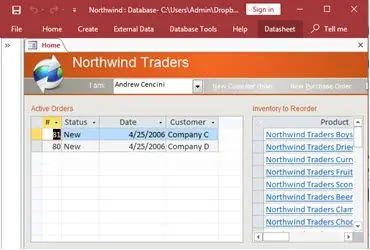
How to create a Microsoft Access application with some useful tips and best practices.
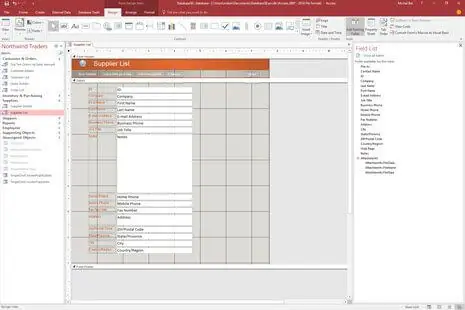
Your Access developer near you has practical advice on choosing and working with an Access consultant.
Call MS Access Solutions at (323) 285-0939 for your FREE consultation.
Most Access databases slow down in small steps. A form that used to open instantly starts pausing, then reports begin to stall, and users learn to wait before clicking the next button. The usual causes are missing indexes, queries that pull far more rows than the screen needs, and tables that grew without periodic cleanup. We identify the specific bottlenecks, then tighten indexes, simplify query logic, and adjust how forms load data so performance feels steady again.
When multiple people are working in the same database, record locking and design choices matter. If users see save errors, freezes, or sudden prompts, the front end may be shared, the form may be bound to too many fields, or the database may be locking more data than necessary. We split front ends properly, tune form record sources, and set locking behavior so people can work at the same time without stepping on each other.
Exporting data to Excel can feel like a harmless shortcut until it becomes the daily routine. It usually starts when a report takes too long to run, totals do not look right, or someone worries a query might freeze the file. At that point, the database stops being trusted, even though it is still where the data lives.
We hear this a lot from owners and office managers around La Verne and the Pomona Valley who now have multiple spreadsheets circulating, each one slightly different. One person updates numbers before a meeting, another saves a local copy to finish work later, and before long no one is sure which version is correct. That uncertainty creates friction, especially when decisions depend on clean totals.
The bigger issue is that Excel workarounds hide the real problems inside the database. Missing indexes, inefficient queries, and fragile reports do not fix themselves. As more people rely on exports, the Access file continues to degrade in the background. When someone finally needs a clean report quickly, the database cannot deliver.
We step in by finding out why exports became necessary in the first place. That usually means rebuilding reports so they run quickly, correcting query logic that produces inconsistent totals, and tightening table relationships so the data behaves predictably. Once the database becomes reliable again, the need for daily exports fades. The goal is not to eliminate Excel, but to make sure your Access database is the place people trust for answers.
Older VBA code can run for years, then fail after an Office upgrade, a Windows update, or a small field name change. We review the code paths that matter most, remove brittle assumptions, and replace risky shortcuts with clearer logic. The result is fewer surprises and a system that is easier to support as your environment changes.
If you are seeing frequent corruption warnings, slow backups, or hesitation before opening large tables, your data may be pushing past what a single Access file handles well. In many cases, the best move is to keep Access as the familiar front end and move the tables to SQL Server. That improves reliability, supports better backups, and gives you room to grow without forcing a full retraining of staff.
Answer: In most cases, yes. We usually work on a copy of your database first, then test changes before anything touches your live workflow. When it is time to switch, we schedule it around your busiest hours so your staff can keep moving.
Answer: Often it is a mix of more people using the system plus queries that are pulling too much data. A report that runs fine at 8 AM can drag at 2 PM if the underlying design is scanning entire tables or missing key indexes. We trace the slow spots and tune the queries and indexing so performance stays consistent. We see this after someone adds one more calculated field, a new join, or a quick copy of a query that was never tuned for larger data.
Answer: Occasional exports are normal. Daily exporting is usually a signal that reports are unreliable, slow, or hard to use. We focus on making the Access reports accurate and fast again so Excel becomes optional, not a workaround. If the export is the only way people can double-check results, that is a signal the database needs cleanup, not more workarounds.
Answer: Common signs include frequent corruption warnings, long compact and repair cycles, slow backups, and hesitation when opening large tables. It can also show up as record locking conflicts once more users are added. We review the size, usage patterns, and design and then recommend tuning, restructuring, or moving data to SQL Server. A common warning sign is when users start waiting on each other because the file feels touchy in multi-user use.
Answer: Not usually. In many projects, Access stays as the front end, so screens and workflows look familiar. The change happens behind the scenes where SQL Server stores the data more reliably. That gives you better concurrency and safer backups without a full retraining effort.
Answer: Yes, that is extremely common. We review tables, relationships, queries, and VBA to understand how the database behaves before we change anything. That reduces risk and prevents surprises after deployment. Inherited databases are common, especially when the original developer is no longer available and changes were made without documentation.
Answer: Start with a focused review. We look at performance, structure, reports, imports, and multi user behavior to find the real causes. You get a short list of prioritized fixes, so you can decide what to tackle now and what can wait. You will get a short list of priorities, what can wait, and what should be fixed first to reduce risk.
Get more information about our programming services on the Microsoft Access Programmer Lakewood, California web page.