
MS Access As A Dev Tool
Access continues to be a highly efficient tool for business database development.
 Call (323) 285-0939
 If your Access database has gotten sluggish, starts locking up, or throws random errors, we track down what's actually happening and fix it. That can be index work, query tuning, or VBA cleanup that keeps your existing forms and reports intact.
Around Irwindale, we see Access running inventory counts, production schedules, and compliance logs. One common story: a month-end inventory report that used to run in seconds now sits at "Not Responding". We tighten joins, clean up duplicates, and split the database so multi-user work stays reliable.
The Best Microsoft Access Database Solutions owner, consultant, and principal programmer is Alison Balter - a recognized expert Microsoft Access consultant. Alison is the author of 15 Microsoft Access training books and videos. She is a frequent guest speaker at MS Access conferences and has developed hundreds of applications for businesses of all types.
We know your business data is important; we listen to your concerns, ask questions, and gather information from all stakeholders. We discuss your needs and requirements for your database. We find out what you want, why you need various features so we can obtain as much information as possible. Once we have the information we need, we work with you to design the proper database architecture, plus the dashboards, the questions (queries), forms, and reports you need for an excellent database system.

We also create websites designed for speed to display your data accurately, using ASP.NET technology. Fast, secure, and robust, our ASP.NET websites and web applications give you true business tool for finding and displaying information dynamically on the web.

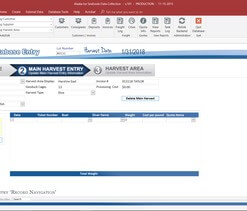





Access continues to be a highly efficient tool for business database development.
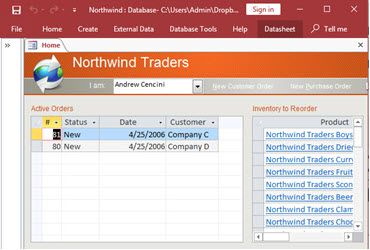
How to create a Microsoft Access application with some unique tips and tricks.
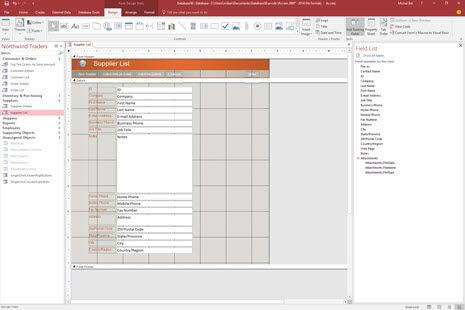
Your Access developer near me has some great info for you about using Access efficiently.
Call MS Access Solutions at (323) 285-0939 for your FREE consultation.
Microsoft Access allows you to automate common tasks like opening forms, filtering records, generating reports, and handling user input. Using VBA or macros reduces manual clicks and ensures consistency in repetitive workflows.
Here's a VBA snippet that opens a report with a filter:
DoCmd.OpenReport "SalesSummary", acViewPreview, , "Region = 'West'"This opens the SalesSummary report and limits the output to records where the region is "West". You can build more dynamic versions by referencing form inputs or variables.
Macros are ideal for simple actions like opening a form or running a query. They're easier to manage for non-programmers and don't require code. You can use the Macro Builder to create logic using drop-down options.
Looking for an experienced Microsoft Access programmer in Irwindale, California? We offer professional Access development and support to businesses, agencies, and organizations throughout the area. Call (323) 285-0939 for a no-cost consultation. With over 36 years of hands-on experience, we've built and maintained complex database systems across a wide range of industries, including:
We solve tough data challenges and build custom Microsoft Access and SQL Server solutions tailored to your workflow, performance goals, and reporting needs.
If you're dealing with a smaller project or need to clean up an existing database, we offer fast, reliable support for Access maintenance and repair. These services include:
From performance tuning to complete automation, we help you get more value from your existing Access database, often without the cost of rebuilding it from scratch.
Get more information about the MS Access programmer service on the La Canada Flintridge, California web page.
Answer: It can feel sudden, but the slowdown usually crept in: more rows, a report that now pulls wider date ranges, or one missing index that used to carry the workload. We start by timing the worst screens, checking indexes, and making sure joins and criteria can actually use them. If you want a quick, practical performance checklist from Microsoft, see Help Access Run Faster.
Answer: If more than one person uses the file, a split setup is often the fastest way to calm down locking and reduce corruption risk. In Irwindale, we often see shared shipping schedules and equipment check logs running from one front end, so a proper split and front-end rollout matters. The shared back end holds the tables, and each person runs their own front end with forms, reports, and code. Updates get easier too, because you can replace the front end without touching the data. Microsoft also explains the split approach here: Split An Access Database.
Answer: Often, yes. We start by getting the project compiling cleanly, then we track down the specific events that stopped firing or the functions that are returning bad results. A lot of "broken VBA" is really missing references, 32-bit vs 64-bit issues, or code that worked until an Office update changed a dependency. We fix what's necessary first, then modernize the rest in small, safe passes.
Answer: First, stop trying to clean the spreadsheet after it lands in your real tables. We use a staging table, validate the fields (dates, IDs, required columns), then move only clean rows into the working tables with append queries. If a column mixes numbers with values like "N/A" or blank strings, we normalize it during import so totals, filters, and reports don't produce weird surprises later.
Answer: Move storage to SQL Server when growth starts stressing a file database: larger tables, more concurrent users, and higher expectations for reliability and permissions. A common path is keeping Access as the front end while linking tables to SQL Server, so your staff keeps the screens they already know. It's a practical way to improve concurrency and security without forcing a full rebuild.
Answer: Before we touch forms or VBA, we take measurements so you are not paying for guesswork. We identify the top slow queries, check table design issues like wrong data types or duplicate keys, and confirm the file is deployed correctly for multi-user work. Then we run a quick VBA/reference check, and we map the safest fix order. If the file is bloated or unstable, we also verify Compact And Repair, and we confirm whether a split database is in place (or should be).
Answer: Yes. We take a copy, confirm references and controls, and then test the high-value workflows (the ones you can't afford to lose) in the newer version before you switch. If a report depends on older printer settings or legacy controls, we adjust it so the output matches what you expect instead of "close enough." And if something looks risky, we'll tell you up front rather than surprising you after the upgrade.